See a week come together.
Fill the week with favorites, saved recipes, quick placeholders, ideas from cooks you follow, and personalized AI help when you need it. DinDin keeps the plan organized as it comes together.
Before you plan
DinDin remembershow your household eats.
Set your preferences once, and DinDin carries them into every planning session, along with your saved recipes and recent meal history. The snapshot below is just a few of the signals it can use.
Plus: Plus: cooking style, time and effort, kitchen equipment, grocery habits, leftovers, repeat tolerance, seasonal preferences, trusted recipe sources, and more.
Plan your week
See how a week comes together.
Try the planning tools below, or let DinDin fill your week in one click. Use any of the tools to shape the plan—you don’t need to complete every section.
Finish my week fills your remaining nights in one click. Use any of the tools here to shape the plan—you don’t need to complete every section.
STEP 1 OF 6 · SKIP DAYS
Finish my week
5 open nights
DinDin will choose from repeats, your library, cooks you follow, and AI only if needed.
Skip any night you don’t want planned.
AI recipe ideas
Allow up to 2 new AI recipes
DinDin uses your existing options first.
Open nights
5 nights still open
DinDin can fill them using your Ready List, repeats, saved recipes, cooks you follow, and your planning context — creating something new only if needed.
Finish my weekFinish my week results
5 nights filled
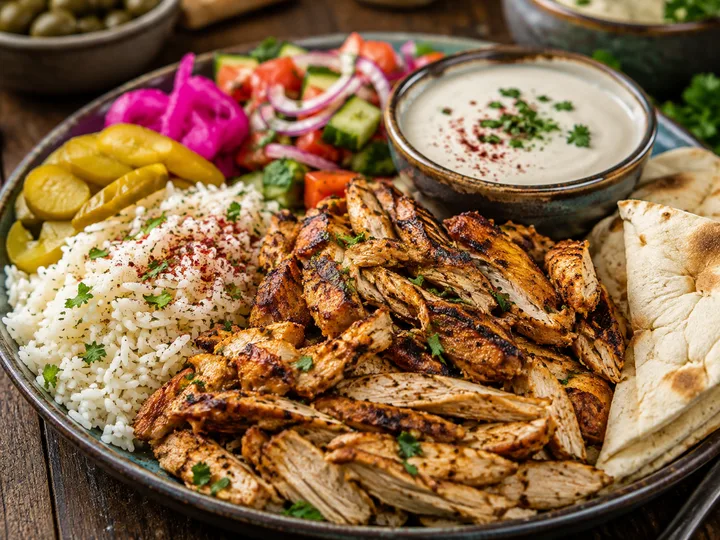
- SUNChicken ShawarmaNew from The Saffron Table, a cook you follow
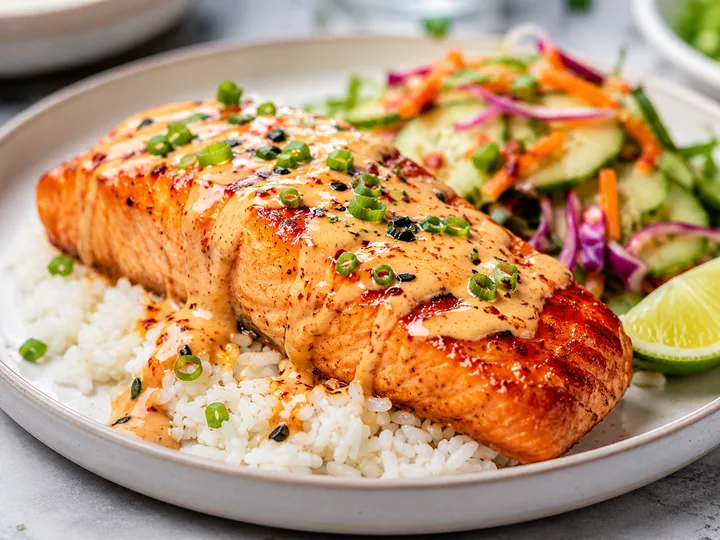
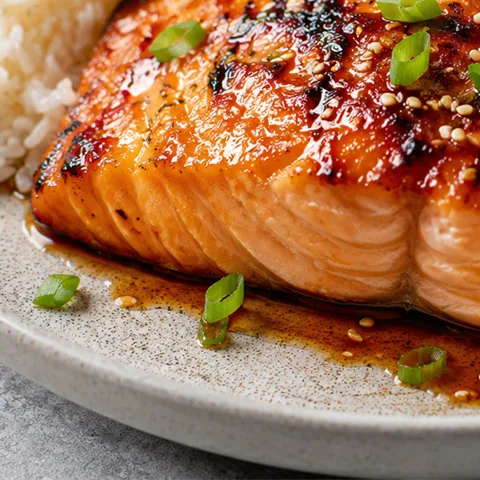
- MONMiso-Glazed Salmon with Ginger RiceFrom your Ready List, quick for soccer night, uses the broccoli
- TUEChicken Tikka MasalaFrom your library, a change of pace after Monday’s salmon
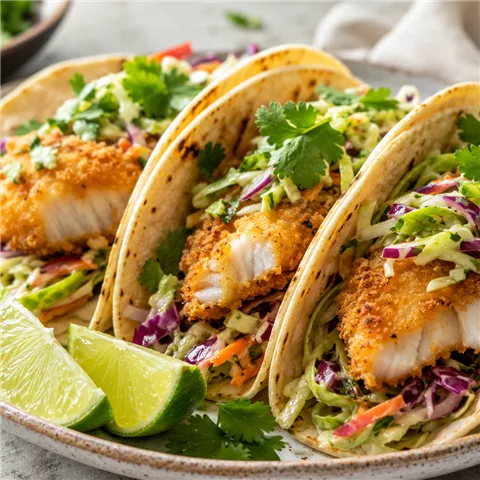
- WEDCrispy Fish Tacos with Lime SlawA favorite whose repeat schedule says it’s due
- THUThai Basil BeefA new AI recipe, 25 minutes to fit around Eli’s swim
- SATBurgersPlaceholder
Your weekly routine
What’s set this week
- MON 10/5Mia soccer practice · 5-6 PMDinner moved to 6:45 PM · ≤30m
- WED 10/7Parents joining us — dinner for 6
- THU 10/8Eli swim lesson · 4:30-5:30 PMAdjusted to ≤30m
- FRI 10/9Dinner with friends out · 6–9 PMSkipped
- SAT 10/10BurgersPlaceholder
Use up perishable ingredients
DinDin will favour these where they fit naturally.
From your recent meals
Repeats due this week · 3



DinDin will choose the best-fitting repeats for your open nights using cooking time, nearby meals, week context, and other planning constraints.
Your recipes





Recipes from other cooks

Recipe source
Starting point
Days
Which recipe?
e.g. Chicken Tikka Masala
✦ Generate 1 recipe Generate
Personalizing for you
- Taste Italian, Thai
- Household 2 adults, 2 kids
- Restrictions Tree nuts
Bon appétit!
The dinner menu for the selected week is fully planned.
Writing one recipe for Thursday
Thai Basil Beef
Quick-seared beef with broccoli and sweet basil over jasmine rice. Kept mild for Eli and Mia, with chile on the table for the adults.
Why this fits
Thursday is capped at 30 minutes by Eli’s swim lesson, and this comes in at 25. Thai is a household favourite, and nothing like it is already on the week.
Comes in at 25 minutes against Thursday’s 30, and Thai is a household favourite.
After you plan
One finished week powers what comes next.
The same planned meals become the starting point for your grocery list and can follow you onto the calendar your family already uses.
Grocery list
Your everyday calendar
Next week
You don’t start over.
DinDin carries your recent meals, saved recipes, and repeat schedules forward, so next week already has useful context.
Crispy Fish TacosREPEAT DUEEarly access
Ready to plan your first week?
We’re inviting households in waves. Join early access and be one of the first to start planning.
Join early access† Some features, including AI, aren’t part of the Free tier and may require a Pro or Max subscription. See pricing for what’s included in each plan.